
Is your cat a good cat? Then buy today’s sponsor, a Big Ole Tub of Cat Treats for just $15!
Click Here to buy a Big Ole Tub of Cat Treats.
Amazon Affiliate Link
LONDON, February 18th, 1824 —
In a recent flurry of legal drama that could have sprung straight from the pages of a Dickens novel, two cases have captured the public’s attention for their peculiar mix of old-world charm and modern-day legal wrangling.
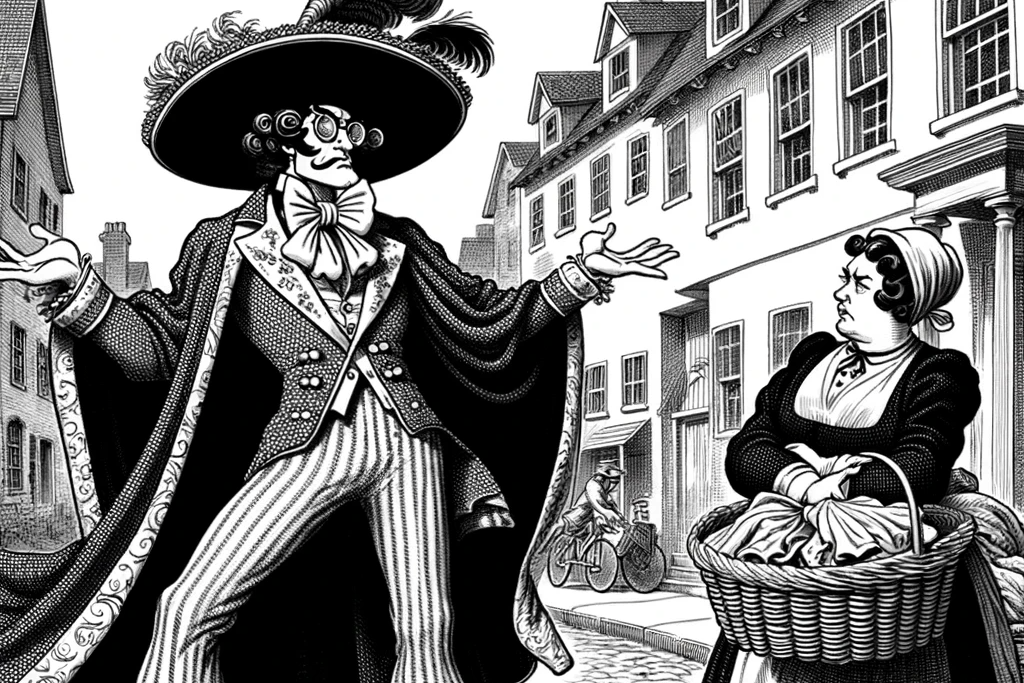
First, we have the curious case of Mrs. Baker, a laundress whose legal battle against Mr. Gregory Page Turner has caught the eye of legal enthusiasts and the general public alike. Turner, recently declared a lunatic by a commission, owes Mrs. Baker a sum of £59.88 for her laundry services. In an era where mental health and legal responsibility intersect in complex ways, this case raises questions about accountability and the mechanisms in place for protecting both parties in such disputes. Mrs. Bus, a servant in the Turner household, testified that Mrs. Baker did indeed provide the services claimed, leading to a straightforward jury verdict in favor of the plaintiff. Yet, the case opens a window into the often-overlooked financial entanglements that arise when mental health issues complicate legal responsibilities.
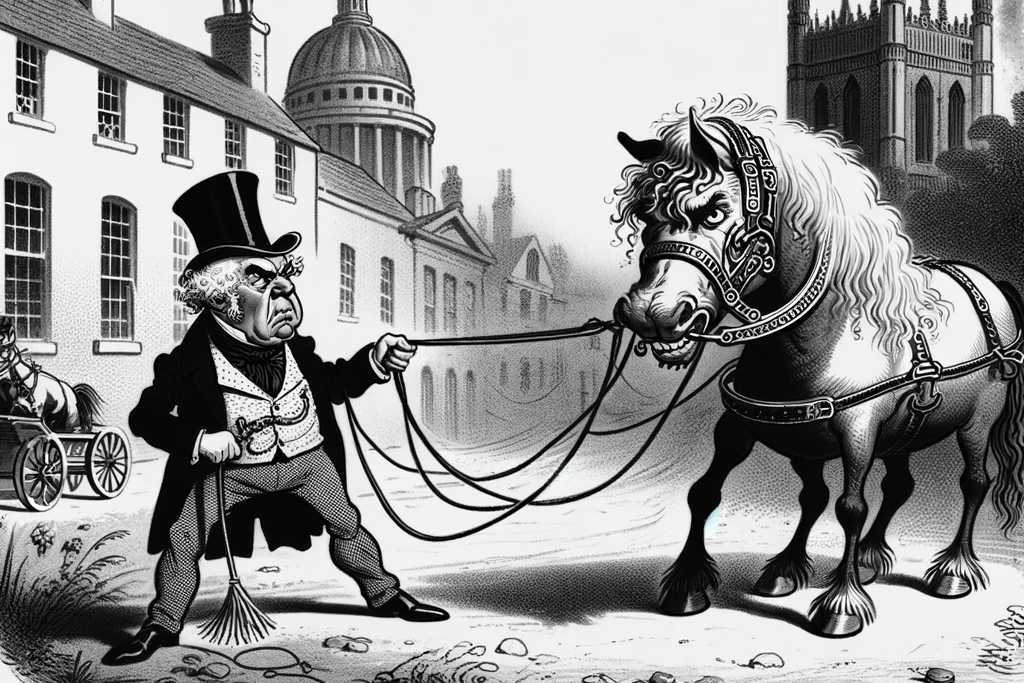
The second case, involving the trustees of the Bloomsbury Dispensary and a surety bond, ventures into the realm of fiduciary duty with a twist that feels both historical and timely. John Warr, the collector for the institution, failed to remit £314.3s.6d collected on behalf of the society, sparking a legal challenge that underscores the ongoing tension between individual malfeasance and collective responsibility. The allowance of poundage in reduction of damages and the invocation of legal precedents highlight a legal system grappling with the nuances of financial stewardship and the ethical obligations of those in positions of trust.
Perhaps most intriguing is the legal tussle over the liability of Sergeants’ Inn for poor rates, a dispute steeped in history yet strikingly relevant in today’s discussions about property, privilege, and social responsibility. The case, which pits the ancient rights and privileges of legal sages against the fiscal demands of modern governance, illuminates the complex interplay between historical precedence and contemporary legal standards. With arguments invoking everything from Shakespeare to ancient leases, the debate transcends mere legal technicality, touching on themes of tradition, communal duty, and the evolving nature of legal institutions.
As these cases unfold, they offer a compelling glimpse into the ways in which the law continuously adapts to the complexities of modern society while still being deeply rooted in historical precedent. From the personal to the institutional, the disputes underscore the enduring tension between past and present, individual rights and collective obligations, in the ever-evolving landscape of British law.
⁂
The content on this website is for entertainment purposes only.
Much of it has not been thoroughly reviewed by humans,
although we do get a blast from reading it ourselves.
But it should absolutely not be cited
as a source for anything other than itself.
We use OpenAI’s GPT-4 API to extract text
from the public-domain archive of The Times,
and rewrite this to contemporary standards.
Graphics are also largely AI-generated.
This website is supported by advertising and donations!
Please consider supporting today’s sponsor,
Big Ole Tub of Cat Treats by clicking here to learn more.
Please also consider making a donation here—
we get so excited every time we hear the bell ding,
and there’s no donation too small!



 The Long Ago Times
Leave a comment