
Do wear makeup? Then you probably already have these! But…they’ll run out…
Please consider supporting today’s sponsor, those ubiquitous Neutrogena wipes!
Amazon Affiliate Link
LONDON, February 16th, 1824 — During the recent tumult at the East India Stock Proprietors’ meeting, a crucial agenda item nearly slipped under the radar: a review of proposals concerning the Haileybury College, the East India Company’s educational arm. Our publication, having spotlighted Haileybury’s issues years back, feels it’s apt to revisit these concerns amid current debates. Initially, we critiqued the College for its nonsensical rules and their failure to achieve their intended goals. Since its inception, Haileybury has arguably seen more unrest than any other prestigious British educational institution, leading to increased calls for more authoritative control from its faculty.
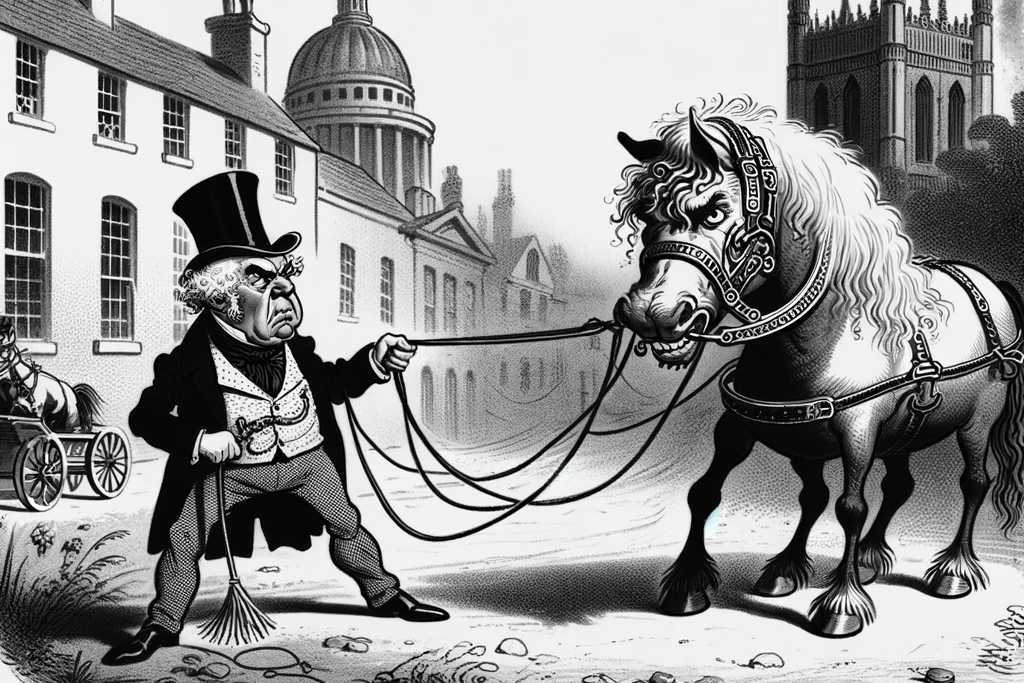
This pattern isn’t unique but reflects a broader truth about governance: administrations that are inherently mismatched with their constituents’ needs often resort to tightening their grip, mistakenly believing that more control equals better governance. However, history shows that adept leadership requires less force than its inept counterpart. It’s not that Haileybury’s administrators lack intelligence—indeed, some enjoy notable respect—it’s that their governance model is fundamentally flawed. They’ve not only rigidly applied existing rules but also expanded their reach, thereby exacerbating administrative friction.
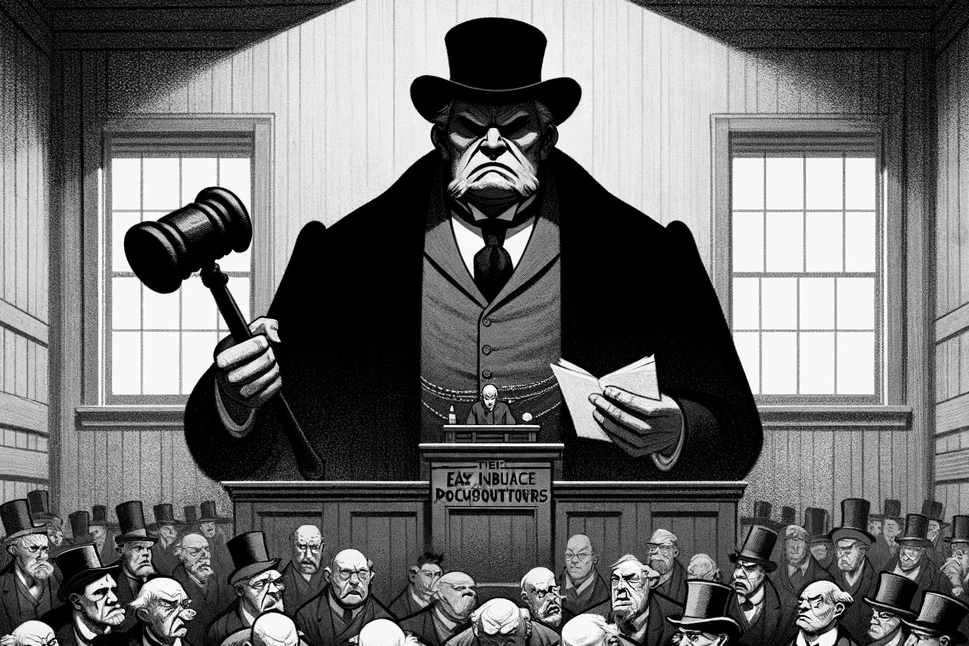
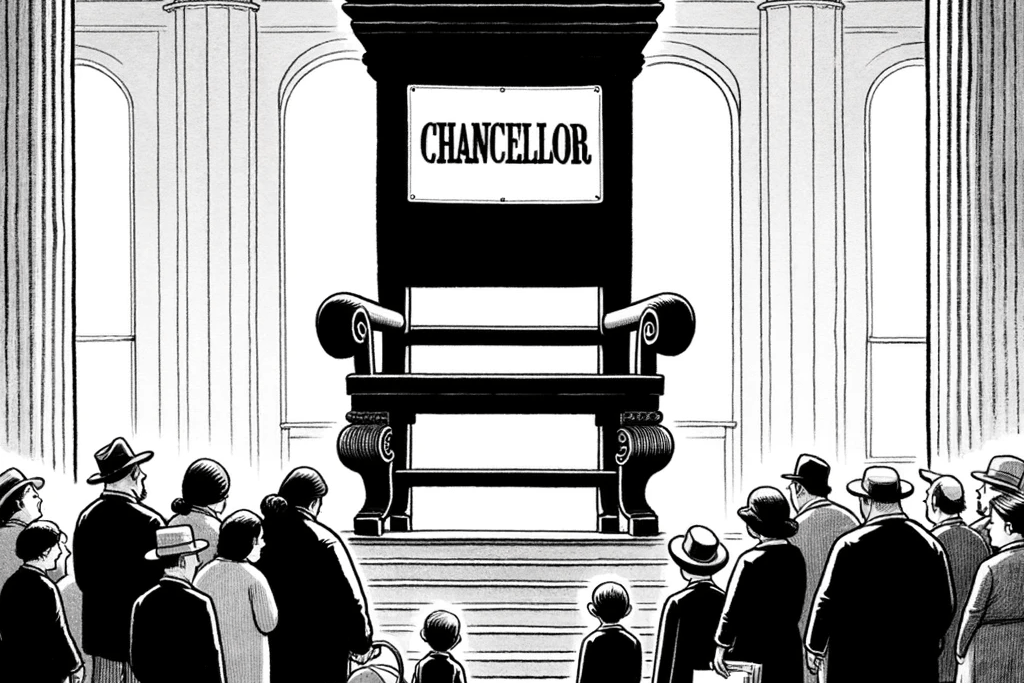
Haileybury was founded with a clear, achievable mission: to prepare young men for civil service roles in Britain’s East Indian territories. Yet, the College has increasingly overreached, assuming powers well beyond its original mandate, to the point of wielding near-absolute authority over civil appointments in the East. This expansion of power prompts a critical question: why exactly does a small group of educators need such extensive control over hundreds of students? The answer suggests a disproportionate use of power for a relatively minor administrative task.
The real issue isn’t just the potential for this power to be misused—though that’s a valid concern given that excessive authority tends to corrupt. It’s also about the impact on those within the College’s ecosystem, who must live under the shadow of this unwieldy power, knowing it could be deployed at any moment. And while the administration may claim impartiality, it’s hard to imagine such power being applied evenly, especially when it can affect the offspring of influential figures differently than others.
In essence, Haileybury’s predicament serves as a microcosm for broader governance challenges: excessive authority not only poses a risk of abuse but also undermines the institution’s legitimacy and effectiveness. As we’ve argued before, and as the current debates among the East India Stock Proprietors highlight, a serious reevaluation of Haileybury’s governance structures is overdue.
⁂
The content on this website is for entertainment purposes only.
Much of it has not been thoroughly reviewed by humans,
although we do get a blast from reading it ourselves.
But it should absolutely not be cited
as a source for anything other than itself.
We use OpenAI’s GPT-4 API to extract text
from the public-domain archive of The Times,
and rewrite this to contemporary standards.
Graphics are also largely AI-generated.
This website is supported by advertising and donations!
Please consider supporting today’s sponsor,
those ubiquitous Neutrogena wipes,
by clicking here to learn more.
Please also consider making a donation here—
we get so excited every time we hear the bell ding,
and there’s no donation too small!




 The Long Ago Times
Leave a comment