
Is your cat a good cat? Then buy today’s sponsor, a Big Ole Tub of Cat Treats for just $15!
Click Here to buy a Big Ole Tub of Cat Treats.
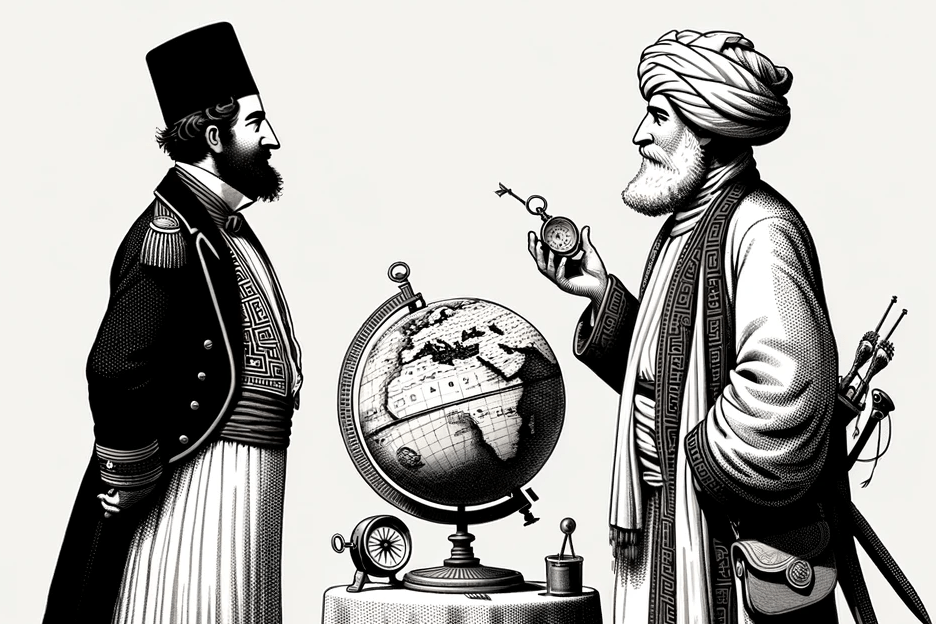
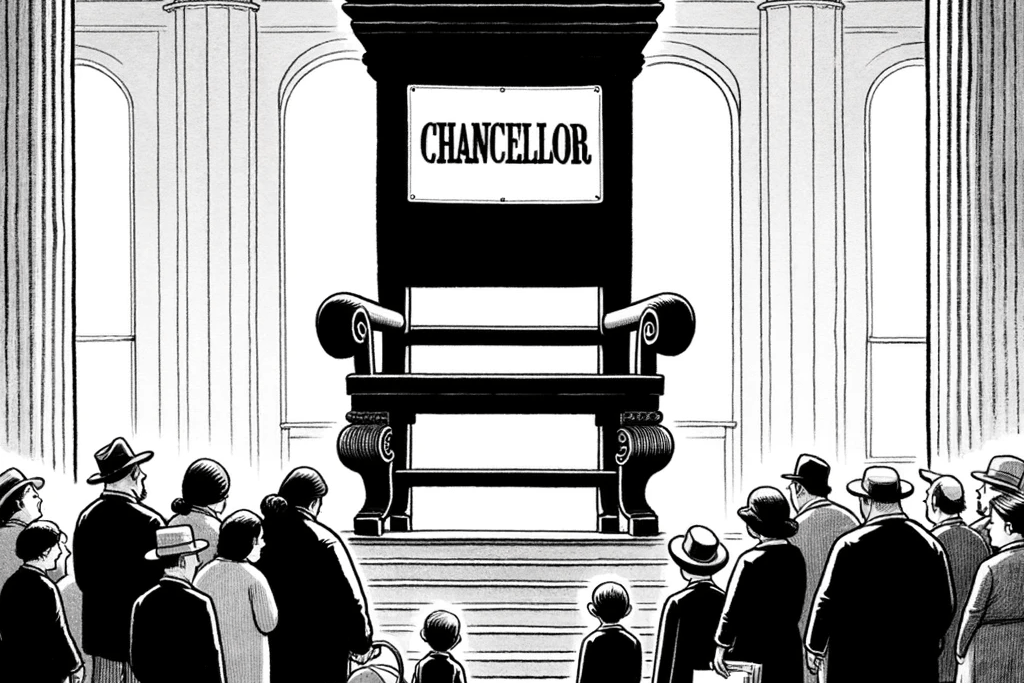
MALTA, February 11th, 1824 — In the wake of General Maitland’s passing, Governor of both the Ionian Islands and Malta, a curious vacancy has emerged, touching upon both military command and the governance of regions markedly different in character and culture. The Times, ever attuned to the nuances of geopolitical shifts, observes this moment not merely as a bureaucratic reshuffle but as a reflection on the peculiarities of colonial administration. The late General’s dual role underscores a conundrum in governance, where the physical and cultural distances between Malta and the Ionian Islands challenge the wisdom of their joint oversight under a single authority.
This development prompts a broader contemplation on the nature of imperial strategy, particularly at a time when the Mediterranean basin remains a theater of complex political and military interests. Historically, the Ionian Islands and Malta have charted distinct paths. The former, steeped in Greek heritage and influenced by the seminal works of Thucydides, share little in common with Malta, a blend of Arab and Italian legacies, never part of the Greek sphere even in the broadest sense of ancient Magna Graecia’s reach.
The separation of these two administrations, therefore, seems not only logical but necessary, reflecting a nuanced understanding of regional identities and strategic imperatives. With the Mediterranean’s geopolitical landscape as fragmented as ever, especially with the looming disintegration of the Turkish Empire, the distinct roles of Malta and the Ionian Islands come into sharp relief. Malta’s focus on the affairs of Egypt and Northern Africa, contrasted with the Ionian Islands’ gaze towards Greece and Asia Minor, underscores the diverse challenges and opportunities facing British imperial interests in the region.
The Times, in considering the implications of General Maitland’s roles, thus sees an opportunity for a more enlightened approach to governance in the Mediterranean. This calls for a strategic division of responsibilities that respects the unique cultural and geopolitical contexts of these regions, ensuring that British influence remains both effective and sensitive to the complexities of an area at the crossroads of civilizations.
⁂
The content on this website is for entertainment purposes only.
Much of it has not been thoroughly reviewed by humans,
although we do get a blast from reading it ourselves.
But it should absolutely not be cited
as a source for anything other than itself.
We use OpenAI’s GPT-4 API to extract text
from the public-domain archive of The Times,
and rewrite this to contemporary standards.
Graphics are also largely AI-generated.
This website is supported by advertising and donations!
Please consider supporting today’s sponsor,
Big Ole Tub of Cat Treats by clicking here to learn more.
Please also consider making a donation here—
we get so excited every time we hear the bell ding,
and there’s no donation too small!



 The Long Ago Times
Leave a comment